Shows
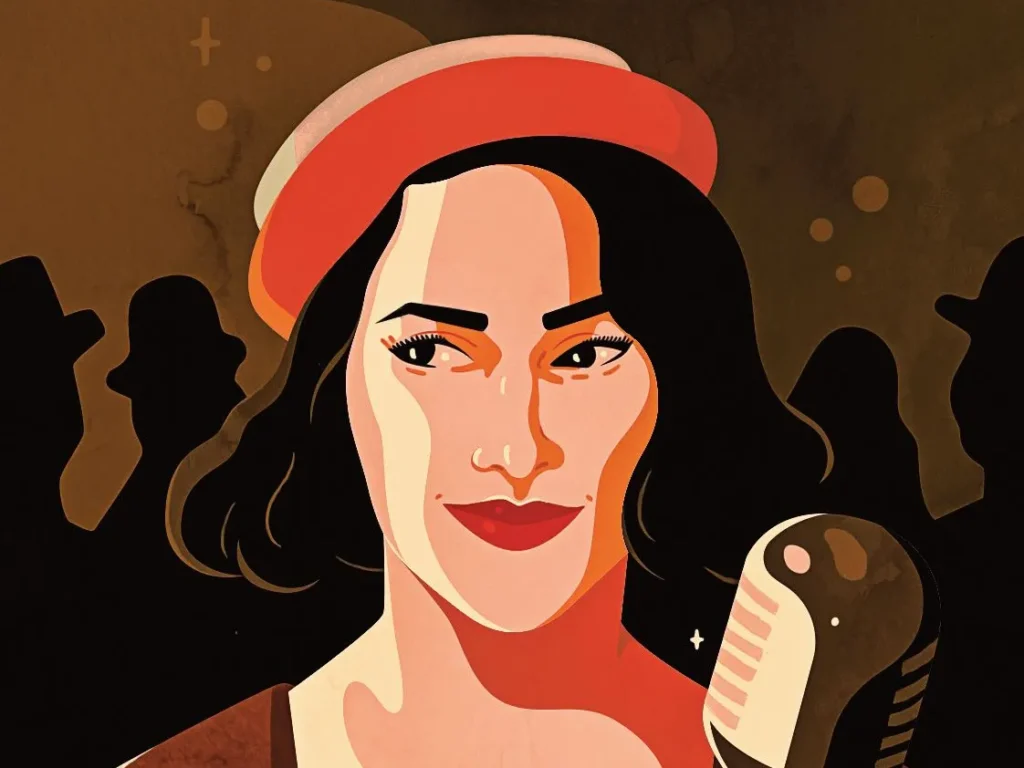
The Marvelous Mrs. Maisel Isn’t About the 1950s. It’s About Us.
When I started watching The Marvelous Mrs. Maisel, I thought it was just going to be a light-hearted period comedy with beautiful dresses, natural dark humour, witty comebacks and a woman finding herself through stand-up comedy. HOWEVER, a few episodes in and it hit me. I wasn't just watching life in the 1950s. It was scarily a version of womanhood that, in many ways, still exists today.
What if we didn’t get rid of the old rules and have only traded them for prettier ones?
Mrs. Maisel lives in a world where everyone already knows what a “good woman” should be. Attractive, funny but never funnier than her husband, supportive but never more successful. She’s expected to make life easier for everyone around her, even if it means making herself smaller. The more I watched, the more I started wondering whether those expectations today had disappeared, or if they’d only become less obvious.
Women’s Rights Have Progressed But Freedom Is Still Negotiated.
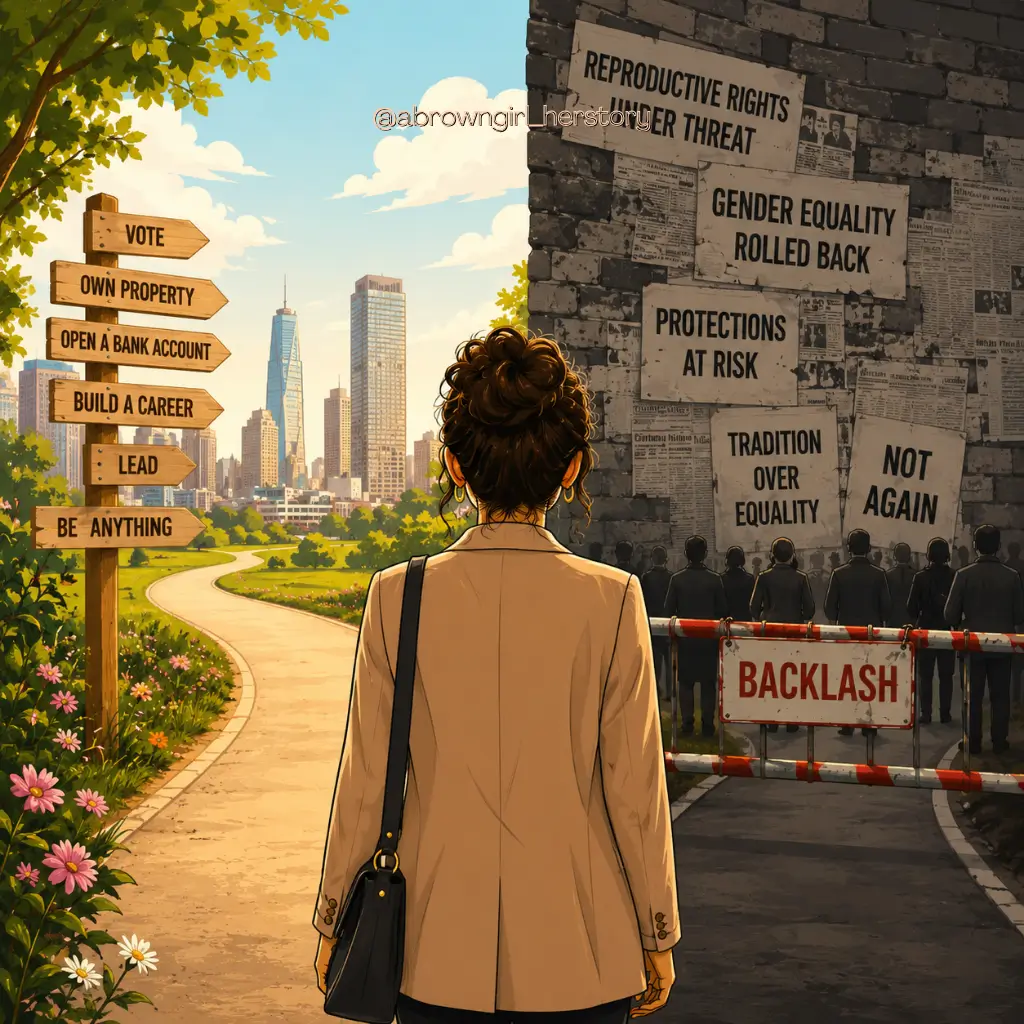
Legally, women have more rights today than Midge could ever have imagined. Women run countries, lead global companies, own businesses, and build careers as surgeons, engineers, judges, astronauts, and just about every profession that was once considered out of reach. In many parts of the world, women can vote, own property, open bank accounts, and pursue careers without needing permission from a husband.
Those victories matter, and they were hard fought. But, laws don’t always change culture.
In 2025, UN Women reported that nearly one in four countries experienced a backlash against women’s rights the previous year, affecting everything from legal protections to reproductive rights and gender equality policies. Progress is real, but it isn’t guaranteed.
When Money Decides Who Holds the Power
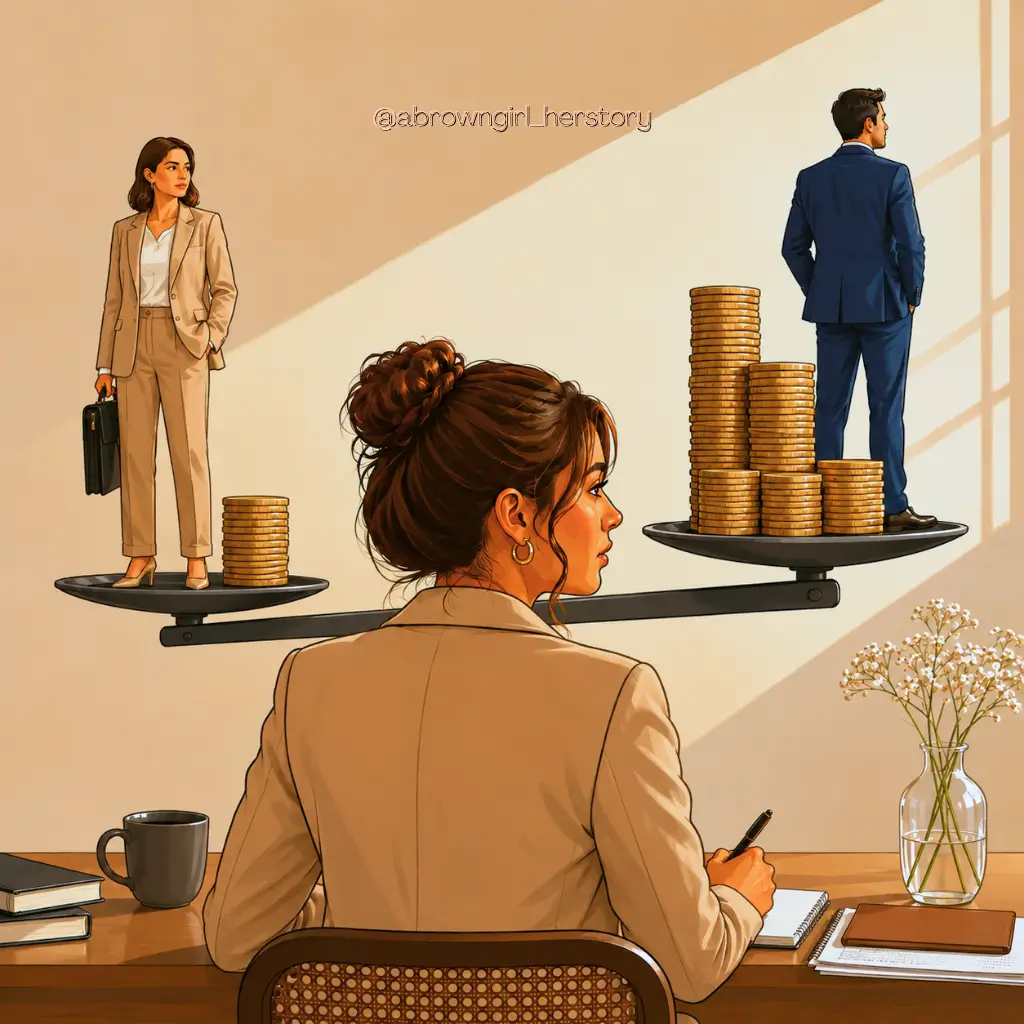
Money has always been one of the clearest ways society measures power. In The Marvelous Mrs. Maisel, the men were expected to be the providers, and a woman earning more than her husband challenged the identity of the family itself. Women doing the same or similar work were also routinely paid less because their income was seen as secondary.
We’ve come a long way since then. Equal pay is now protected by law in many countries, and women have become founders, executives and business owners.
Yet, the gender pay gap hasn’t disappeared. The International Labour Organization estimates that women still earn around 20% less than men globally on average. That’s not only because women are paid less for the exact same job. Careers don’t exist in a vacuum. Women are still more likely to take career breaks to care for family, work in lower-paying sectors, and be underrepresented in senior leadership.
Even after accounting for those factors, researchers continue to find an unexplained gap. The numbers have changed but the conversation hasn’t.
The Women Who Taught Us the Rules
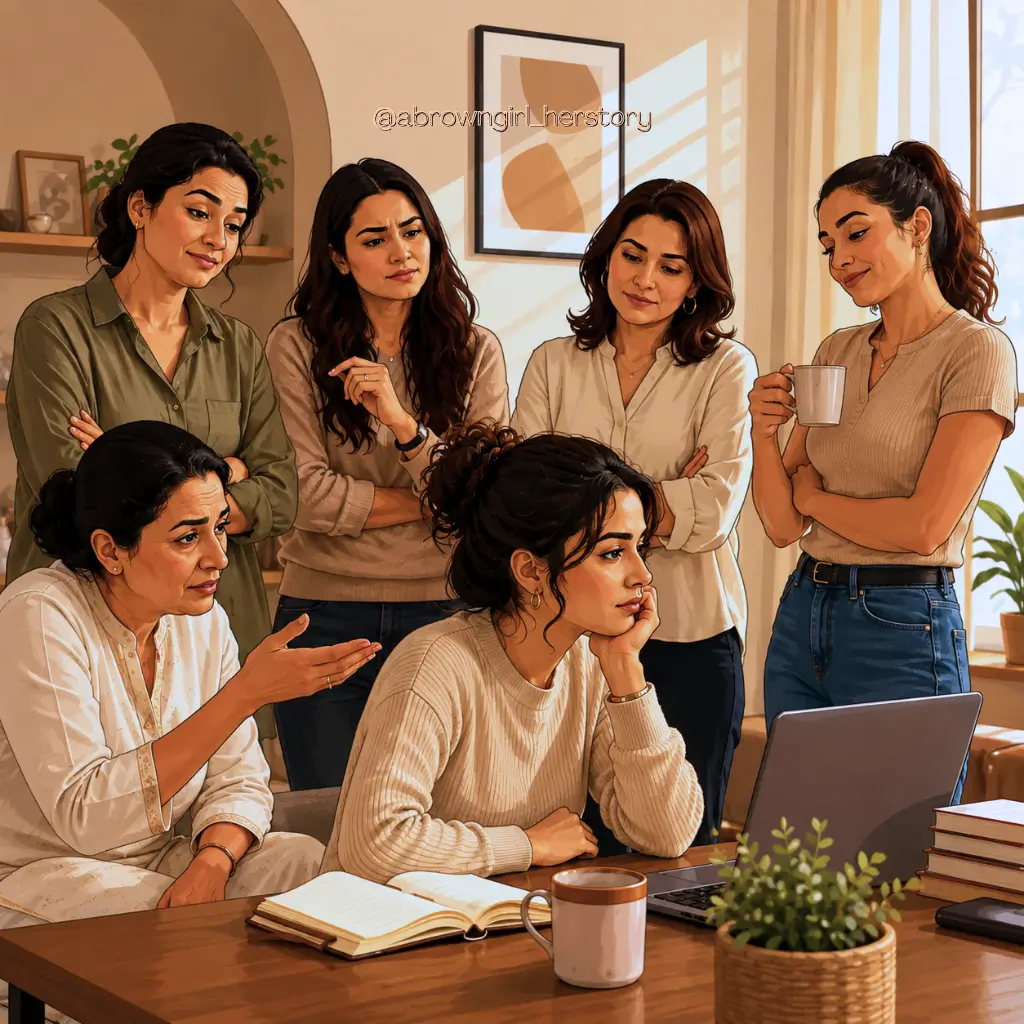
One thing I don’t think we talk about enough is where many of these expectations come from.
It’s easy to blame men, but some of the loudest voices enforcing these rules have always been women. Our mothers, grandmothers and aunties, not because they wanted to hold us back but to teach their daughters how to survive the world they knew.
Don’t answer back. Learn to cook. Keep your husband happy. Don’t shame the family.
For them, these weren’t oppressive lessons but practical ones.
The challenge is that survival advice often outlives the circumstances that created it. Every generation eventually reaches a point where someone has to ask whether those traditions still deserve a place in modern life, and that woman is rarely celebrated. More often, she’s labelled disrespectful, “too Western”, “too modern”, or simply the black sheep.
Even in this day and and age there is no denying that social change almost always begins with someone daring to disappoint tradition and her mother.
From Pleasing One Man to Performing for Everyone
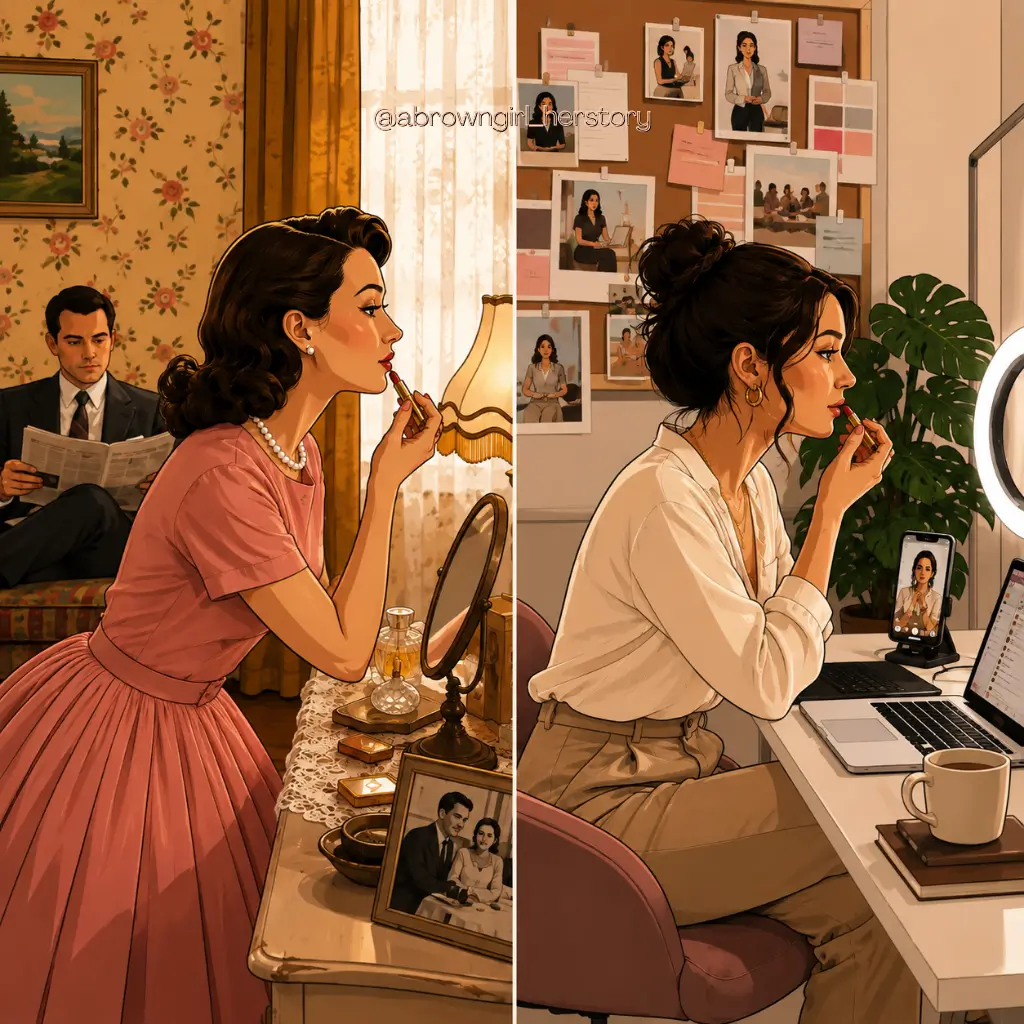
Every morning, Midge wakes up before her husband, fixes her makeup, styles her hair, and slips back into bed so he’ll believe she naturally wakes up looking that way (can the husbands really be that dumb?). It sure does sounds absurd. UNTIL you remember social media exists.
Today, women aren’t performing for one person. We’re performing for everyone. One photo invites thousands of opinions. Too much makeup, not enough, too thin, too big, too ambitious, too quiet. The audience has grown, so has the scrutiny.
Women are constantly encouraged to “be authentic,” yet the moment that authenticity doesn’t fit someone else’s expectations, it becomes something to criticise.
Men Were Trapped Too
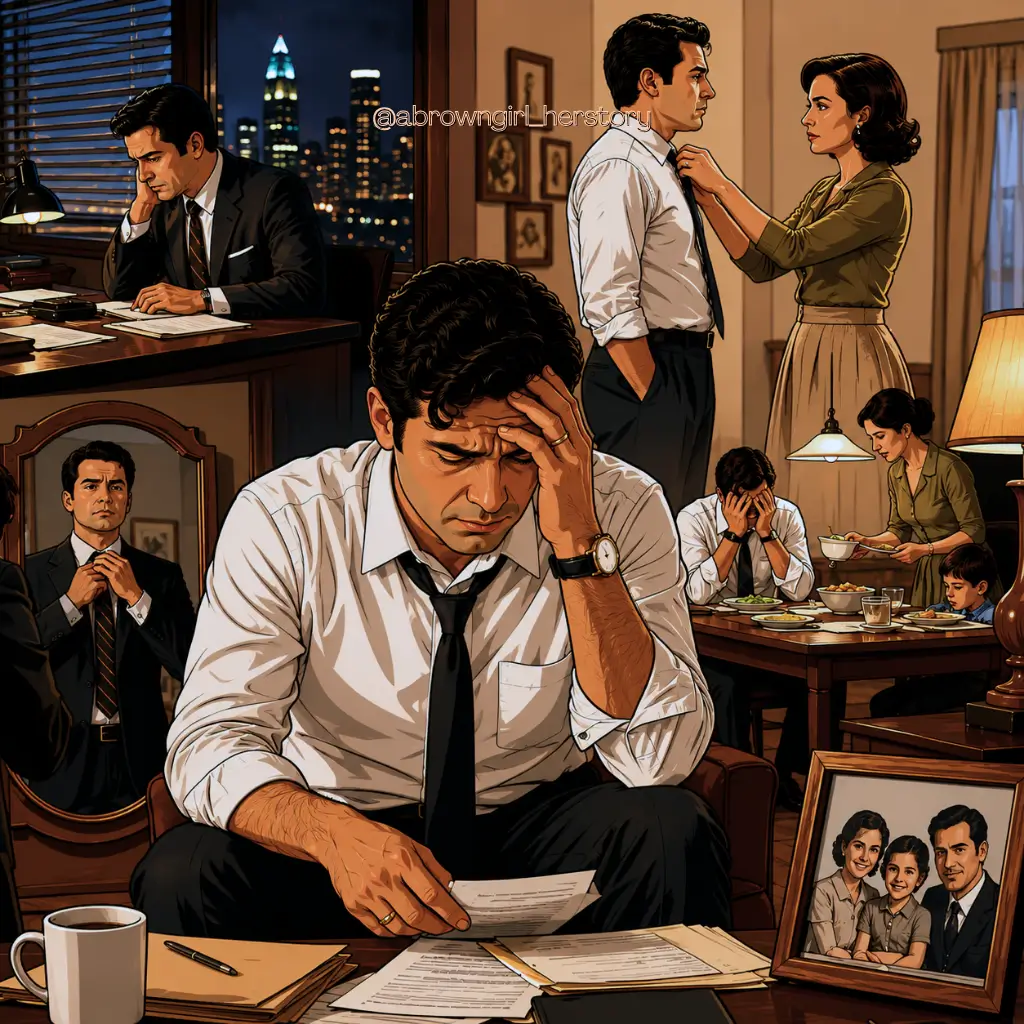
The Marvelous Mrs. Maisel also highlighted that rigid gender roles were never only restrictive for women. Joel carried expectations of his own. He had to provide, succeed, and keep his family financially secure because his worth as a husband was closely tied to his ability to do those things. Failure wasn’t just disappointing, it questioned his identity as a man. Speaking to a therapist wasn’t something respectable men did, and showing vulnerability was often seen as weakness.
Decades later, many men still grow up hearing the same messages. Be strong, figure it out, don’t cry.
When we talk about dismantling traditional gender roles, the goal shouldn’t only be to make life easier for women. Society has to stop asking both women and men to spend their lives living up to impossible expectations.
Are We Protecting What They Fought For?
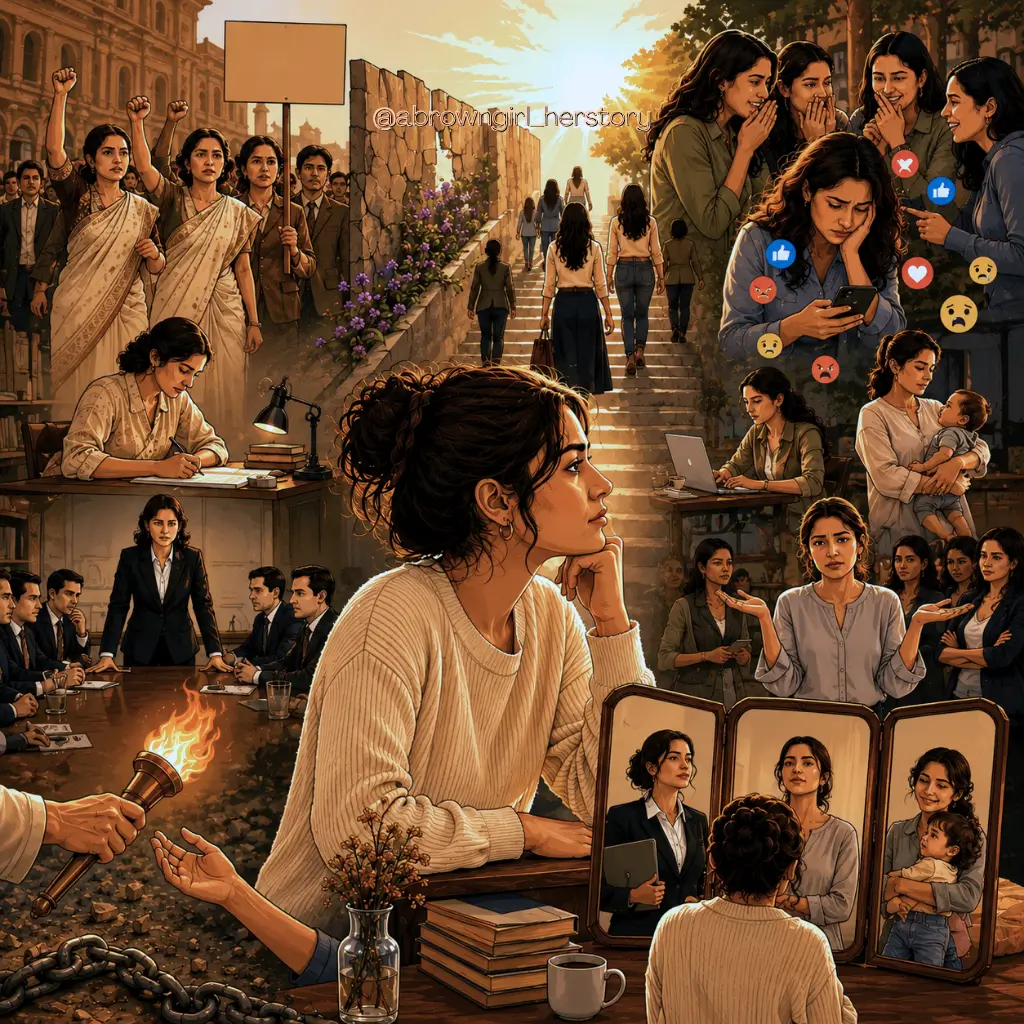
The part that was not so surprising for me was realising how much of women’s progress has become invisible. Someone had to be the first woman to attend university, the first to sit in a boardroom, the first to fight for maternity leave, equal opportunities, equal pay, the right to continue working after marriage, or even the right to keep her own name.
Those women were often mocked, ignored, passed over, or made to feel like they were asking for too much. Some sacrificed careers, relationships, and even their place within their own communities.
Today, many of those rights feel ordinary and that’s a sign of how far we’ve come. BUT, it also makes it easy to forget that none of them came easily. Women fought for them and paid the price so the generations that followed wouldn’t have to.
I really do wonder whether we’re protecting that progress as carefully as previous generations fought for it.
Social media has made conversations about equality louder than ever but it’s also made them shorter, faster, and at times, more performative. We’re often encouraged to pick a side before we’ve taken the time to understand the issue.
Women are criticised for working too much, criticised for staying home, questioned for not having children, and judged for having them. Empowerment itself seems to have become another standard women are expected to get right, as though there’s only one “correct” way to be an empowered woman.
Maybe Mrs. Maisel Was Never About the 1950s
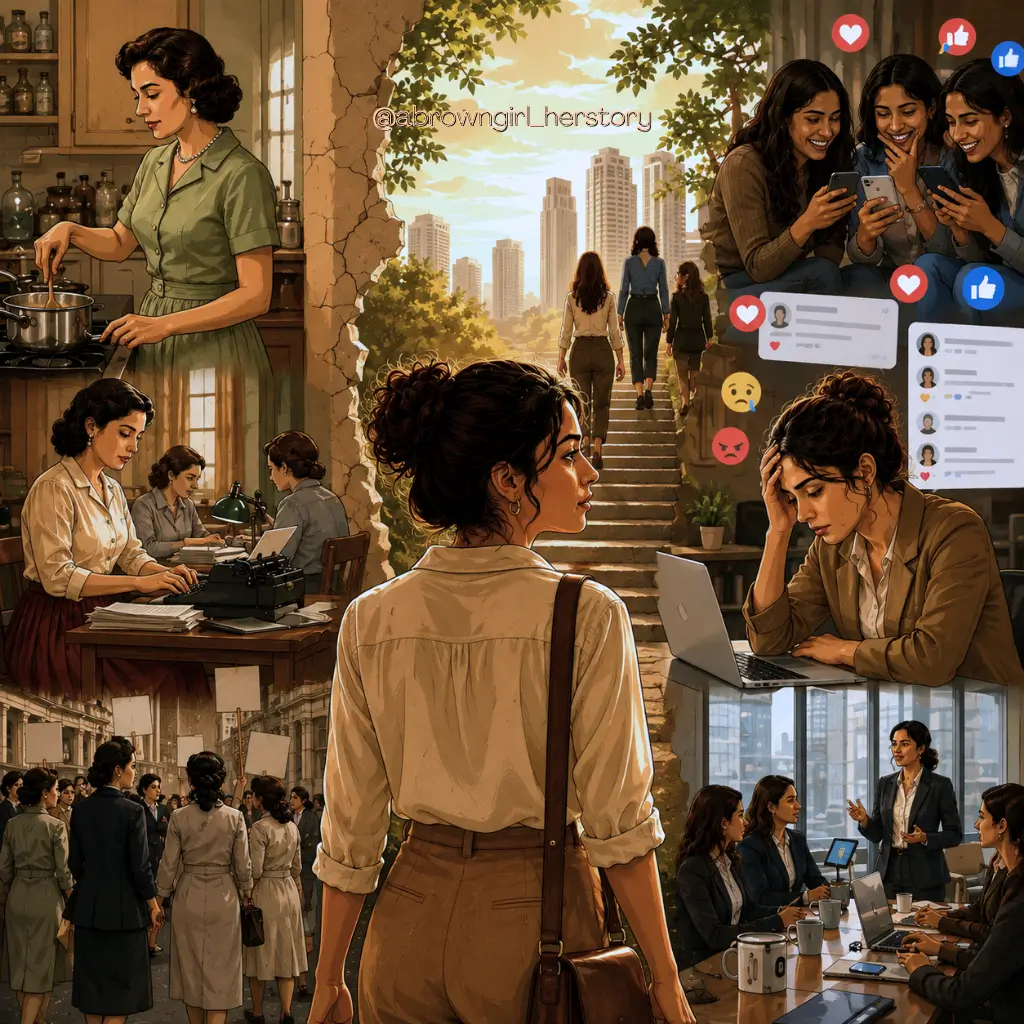
Some expectations disappeared while others adapted. Some became family advice while others became workplace culture. And most found new homes in Instagram comments and social media feeds.
We’ve made remarkable progress, there’s no denying that. Perhaps, the real measure of equality isn’t how many opportunities women have but whether they can embrace those opportunities without conditions, judgement, or expectations attached.
Think, if every generation only replaces one set of rules with another, then history isn’t repeating itself. It’s becoming better at disguising itself.

Related Post