Most of us have experienced it at some point. A wardrobe full of clothes, yet somehow nothing feels quite right to wear.
We buy pieces because they looked good on a mannequin, because they were on sale, or simply because we liked them in the moment. Yet confidence rarely comes from owning more clothes. More often, it comes from understanding what actually works for us.
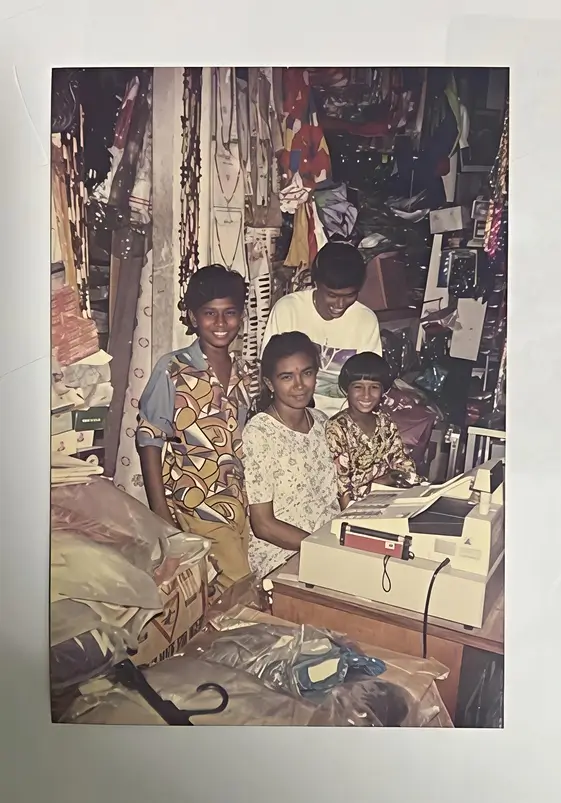
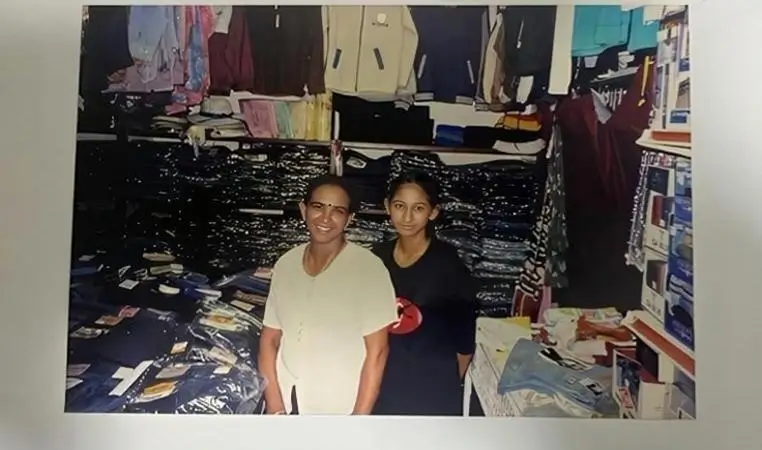
For Subanah, image consultant and founder of Subanah’s Academy, style has never been about chasing trends or building the perfect wardrobe. Growing up in the textile business, she spent years observing how people choose fabrics, colours, accessories and outfits. Over time, she realised that clothing reveals far more than personal taste. It reflects habits, lifestyle, confidence, aspirations and sometimes even the gap between who we are and who we think we should be.
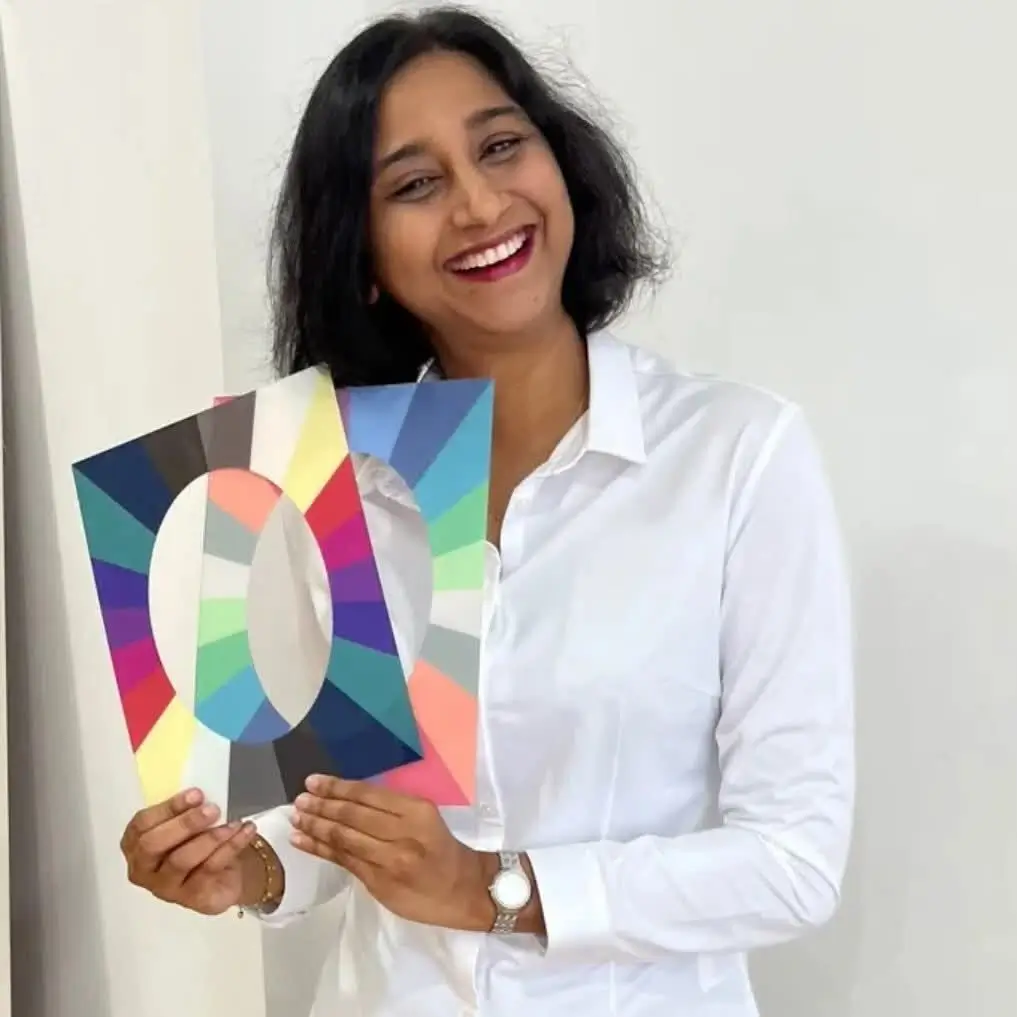
Today, through colour analysis, body analysis, wardrobe consultations and styling education, Subanah helps individuals make more intentional decisions about how they dress. Her work focuses on helping people understand themselves better through clothing, from identifying colours that complement them to building wardrobes that support their everyday lives rather than an imagined version of it.
For some, that journey also marks the beginning of a new chapter, helping them reconnect with themselves after seasons of change.
You grew up in the textile business, where clothes were part of everyday life. What did you learn about people by watching how they chose fabrics, colours, and outfits?
Growing up in the textile business gave me a front-row seat to how people make decisions about clothing. It was never just about fabric. People would carefully consider colours, textures, accessories, shoes and how everything worked together. I noticed that most people looked for three things: whether the clothing suited them, whether the material felt right, and whether it matched their budget.
Over time, I realised that clothing choices often reveal priorities, confidence levels and even personality. The way someone shops can tell you a lot about what matters to them.
When you look at a person’s outfit, what do you notice that most people may overlook?
Most people notice whether an outfit looks nice overall. My attention naturally goes to the details.
I look at colour combinations, fabric quality, fit, garment construction and how well the clothing works with the person wearing it. I also pay attention to how the garment has been cared for and whether it complements the individual’s features rather than simply following a trend.
Those small details often make the biggest difference.
In your experience, why do people often buy clothes they like, but still struggle to wear them confidently?
One of the biggest reasons is what I call the “mannequin effect.”
Something may look amazing on a mannequin or a model, but that doesn’t automatically mean it will work for every person. Many people also shop emotionally and end up buying standalone pieces that don’t fit into the rest of their wardrobe.
Fit is another major factor. Even small issues such as a waistband that feels uncomfortable or straps that constantly need adjusting can affect confidence throughout the day.
People often assume confidence comes from the clothing itself, when in reality confidence comes from wearing something that genuinely works for them.
The word “transform” is important to your work. What kind of transformation do you enjoy seeing the most in your clients?
The transformation I enjoy most is when clients stop dressing for approval and start dressing with intention.
Many people come to me with a list of rules they’ve created for themselves. They believe certain colours don’t suit them or that their body shape prevents them from wearing certain styles.
As we work together, they begin to understand colour, proportion and personal style in a way that changes how they see themselves. Watching someone realise they have more options than they thought is incredibly rewarding.
Those moments are often bigger than fashion. They are about confidence and self-perception.
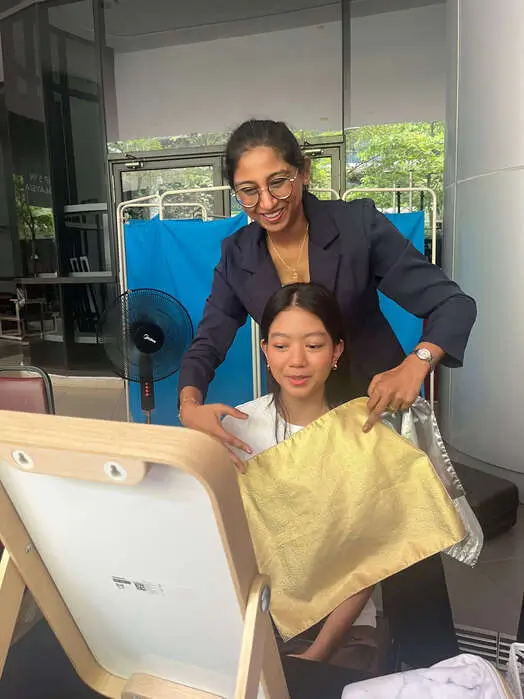
Some people may think image consultation is only for celebrities, public figures, or very formal settings. How do you make it feel practical for everyday people?
I used to think the same thing.
Many people assume image consultation is a luxury service reserved for celebrities or wealthy individuals. In reality, I believe everyone can benefit from understanding what works for them.
Image consultation is not about buying expensive clothing. It’s about learning how to make better decisions with the wardrobe you already have and the purchases you make in the future.
When viewed that way, it becomes an investment in confidence, clarity and everyday convenience rather than a luxury.
How do you help someone move from “this looks nice” to “this actually works for me”?
That process starts with understanding the person, not the clothing.
A piece can look beautiful on its own, but that doesn’t necessarily mean it fits someone’s lifestyle, wardrobe or daily routine. I spend time understanding how a client lives, works and dresses before recommending anything.
I also encourage clients to step outside their comfort zone and try things they may have dismissed before. Sometimes the biggest breakthroughs happen when people realise they have been limiting themselves based on assumptions rather than reality.
The goal is to help them make choices that feel authentic and practical, not just fashionable.
What does smart shopping look like in real life, especially for women who already own many clothes but still feel they have nothing to wear?
Smart shopping is less about buying more and more about buying with purpose.
Many women who feel they have nothing to wear don’t actually lack clothing. What they often lack is a wardrobe that works together. Their closets may be filled with impulse purchases, one-off pieces or items bought for occasions that rarely happen.
I always encourage people to shop for the life they are living now, not the life they imagine they might have one day.
Buy clothes that fit your current body, your current routine and your current needs. Pay attention to fabric, versatility and how a new piece works with what you already own.
When every item serves a purpose, getting dressed becomes much easier.
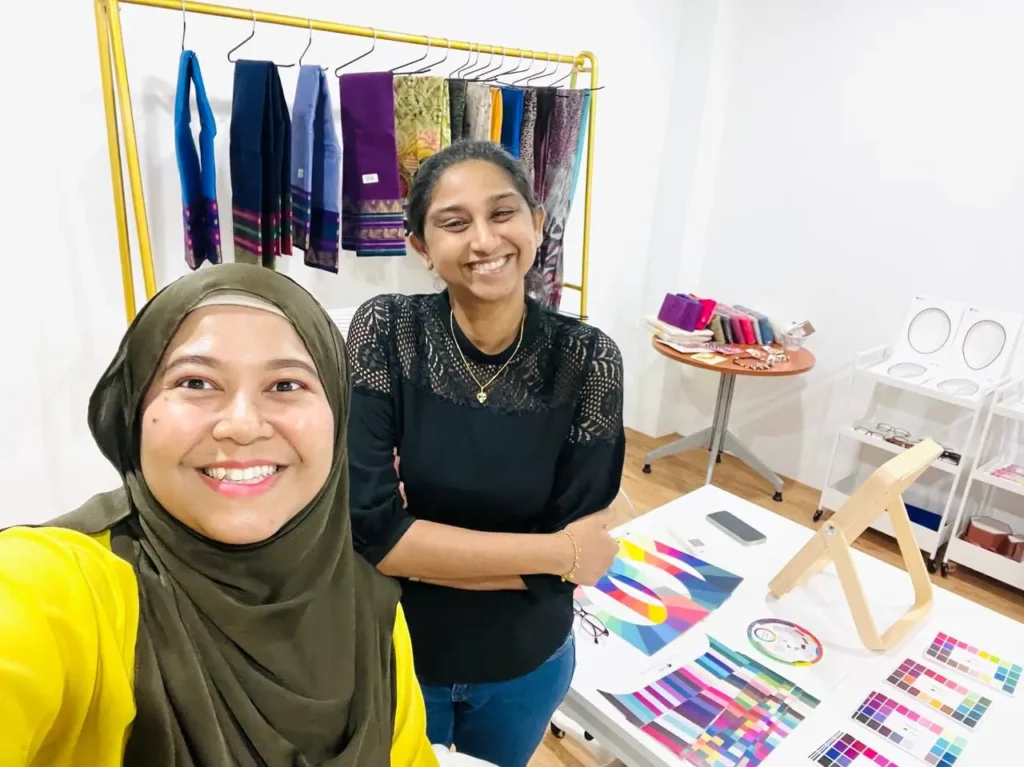
What is one question you wish people asked themselves before buying a new outfit?
A simple question:
“Am I excited to wear this on a regular Tuesday?”
Most people buy clothing for special occasions, aspirational versions of themselves or imagined future events.
If you’re genuinely excited to wear something in your everyday life, there’s a much higher chance it will become a valuable part of your wardrobe rather than something that sits untouched.
How do you help someone understand the difference between what looks good on the rack and what actually works for them?
I help them focus on the details that truly matter.
Things like colour contrast, silhouette, fabric structure and garment proportions can completely change how a piece looks once it’s worn.
A beautiful garment on a hanger tells you very little. What matters is how it interacts with the person’s body, features and overall style.
Once clients understand what works specifically for them, shopping becomes far more intentional.
Many people dress for occasions, but not always for themselves. How do you guide clients to find the balance between the two?
I always remind clients that dressing appropriately and dressing authentically can exist together.
Every occasion has a dress code, but there is still room for personal expression within those boundaries.
The goal isn’t to ignore the occasion. It’s to find ways to honour the event while still looking and feeling like yourself.
When people understand their personal style, that balance becomes much easier to achieve.
What role does fabric play in whether an outfit looks polished, comfortable, or worth the money?
Fabric plays a much bigger role than most people realise.
The quality of a fabric influences how a garment drapes, how it feels against the skin, how long it lasts and how well it maintains its appearance over time.
A well-made garment in the right fabric often looks more expensive and feels more comfortable, regardless of the brand name attached to it.
Understanding fabric is one of the most practical skills anyone can develop when building a wardrobe.
How does understanding colour change the way someone sees their wardrobe?
Colour changes everything.
Many people buy colours they are attracted to without understanding whether those colours actually complement them. Once they understand which tones work best for their skin, hair and features, shopping becomes much easier.
It also helps eliminate many common wardrobe frustrations.
People stop buying items that never quite feel right, they become more confident mixing and matching pieces, and they often discover that they don’t need nearly as many clothes as they thought.
Colour creates clarity.
Body analysis can be a sensitive topic. How do you help clients see it as a tool for confidence rather than criticism?
The first thing I do is remove judgment from the conversation.
Body analysis is not about identifying flaws. It’s about understanding proportions, balance and how clothing interacts with the body.
I often tell clients that if something doesn’t fit properly, it doesn’t automatically mean there is something wrong with their body. Sometimes it simply means the garment wasn’t designed for their proportions.
When people stop viewing body analysis as criticism and start viewing it as information, they become much kinder to themselves.
That shift alone can be incredibly empowering.
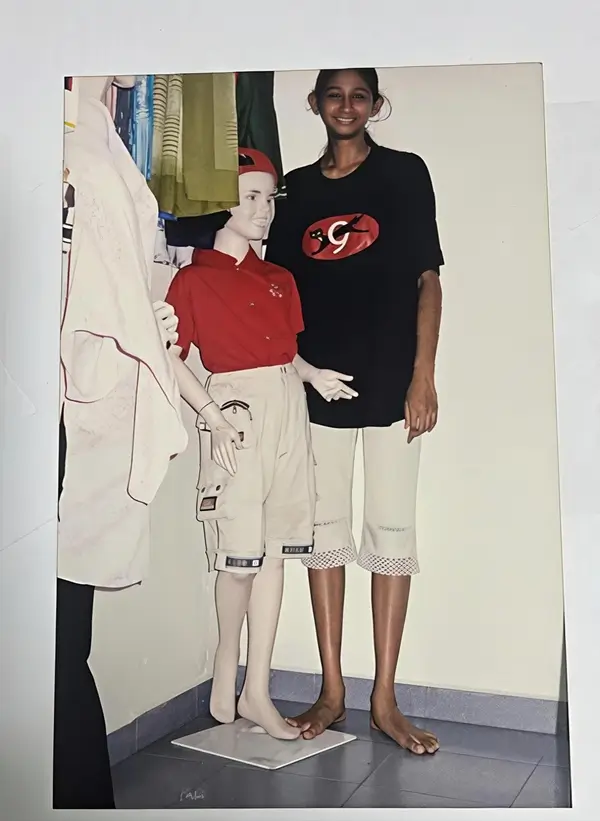
When you go through someone’s wardrobe, what do their clothes usually reveal about their habits, lifestyle, or self-perception?
A wardrobe tells a story.
One of the most common things I see is a disconnect between a person’s actual lifestyle and the clothes they own. Their wardrobe may be filled with pieces for events they rarely attend or versions of themselves they no longer relate to.
I also notice signs of decision fatigue. Some people own a large number of clothes but rotate the same few outfits repeatedly because those are the only pieces that truly work for them.
Sometimes a wardrobe also reveals uncertainty. Multiple versions of the same item, unused purchases, or clothes with tags still attached can indicate that a person hasn’t fully understood their preferences, lifestyle or personal style yet.
What are some signs that a person’s wardrobe no longer supports who they are or where they are heading?
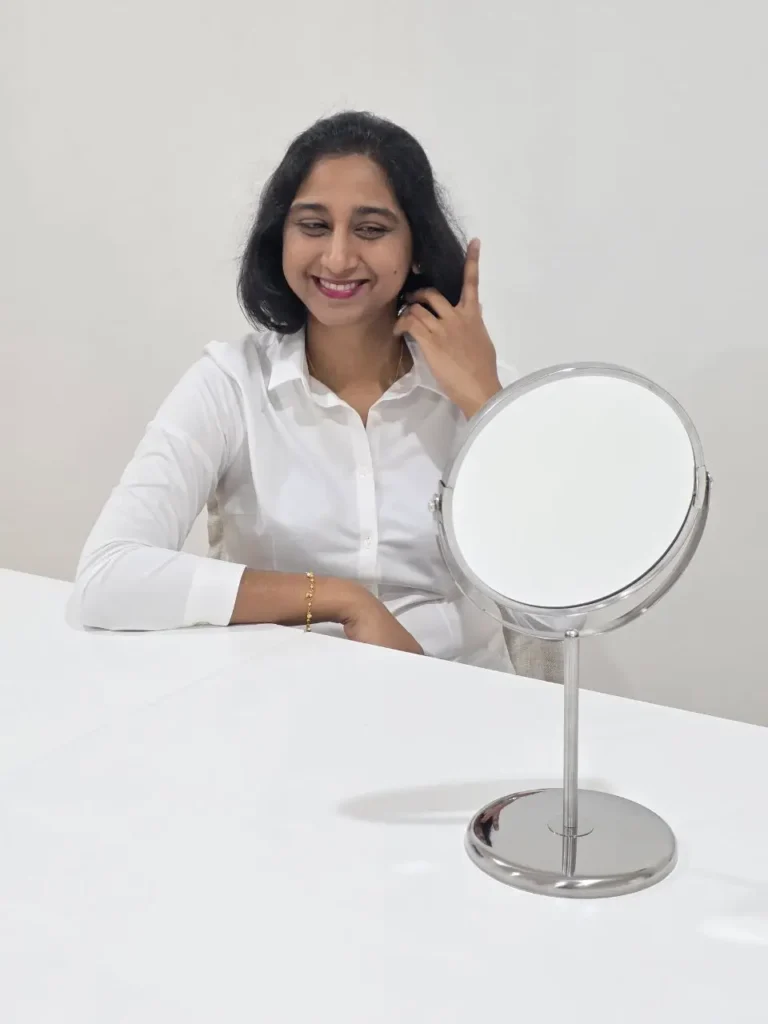
One of the clearest signs is when someone no longer feels connected to what they see in the mirror.
The clothes may fit, they may even be considered stylish, but something feels off. The person doesn’t recognise themselves in what they’re wearing.
Another sign is when clothing starts becoming something to hide behind. Constantly covering certain areas, relying on the same styling tricks every day, or feeling uncomfortable in most outfits can indicate that the wardrobe is no longer aligned with the person’s current stage of life.
Our lives evolve, and our wardrobes should evolve with us.
You also work with boutique owners and retail teams. What makes a clothing recommendation feel thoughtful instead of purely sales-driven?
Trust.
A thoughtful recommendation puts the customer’s needs before the sale.
Sometimes that means telling a customer that a particular piece isn’t right for them. It might be the wrong fit, the wrong proportion or simply not the best option available.
Customers can tell the difference between genuine advice and a sales pitch.
When a retail consultant prioritises helping someone look and feel their best rather than simply making a sale, trust is built naturally. That trust often leads to stronger long-term relationships than any single purchase ever could.
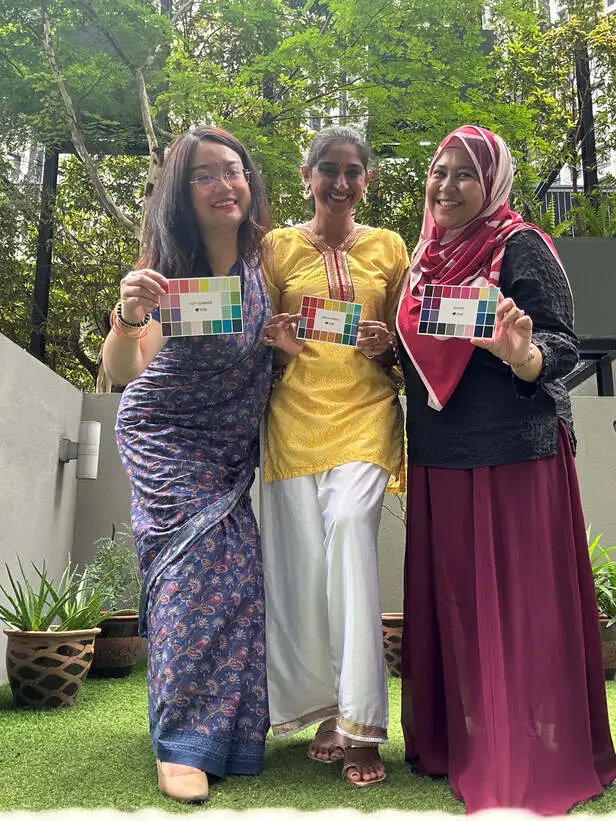
How can better textile knowledge and styling awareness help small fashion businesses build stronger trust with customers?
Education creates trust.
When business owners understand textiles, garment construction and styling, they can explain the value behind what they’re selling rather than relying on discounts or trends.
Customers are more likely to invest in a garment when they understand why the fabric performs better, why the fit matters or why a particular design has been created a certain way.
Styling awareness is equally important. Helping customers see how a garment fits into their real lives creates confidence in the purchase and strengthens their relationship with the brand.
The more knowledge a business shares, the more credibility it builds.
In corporate settings, how do you explain the value of personal image without reducing it to appearance alone?
I often compare personal image to an executive summary.
Before someone has the opportunity to hear your ideas, understand your expertise or experience your work, they are already forming impressions based on what they see.
Personal image is not about looking expensive or fashionable. It is about communicating professionalism, credibility and self-awareness.
In a corporate environment, the way you present yourself can support your message and reinforce the confidence you bring into a room.
It’s one part of the overall picture, but it is still an important one.
What has building Subanah’s Academy taught you about introducing a service that people may not immediately know they need?
It has taught me the importance of education.
Many people don’t realise how much time, money and mental energy they lose through ineffective shopping habits, wardrobe confusion or uncertainty about what works for them.
Because of that, my role isn’t simply to promote a service. It’s to help people understand the problem first.
Over time, I’ve learned that people connect more with practical outcomes than technical explanations. They relate to having easier mornings, making fewer costly shopping mistakes, feeling more confident at work or finally understanding why certain clothes never seem to work for them.
Once people experience those benefits, the value becomes much easier to see.
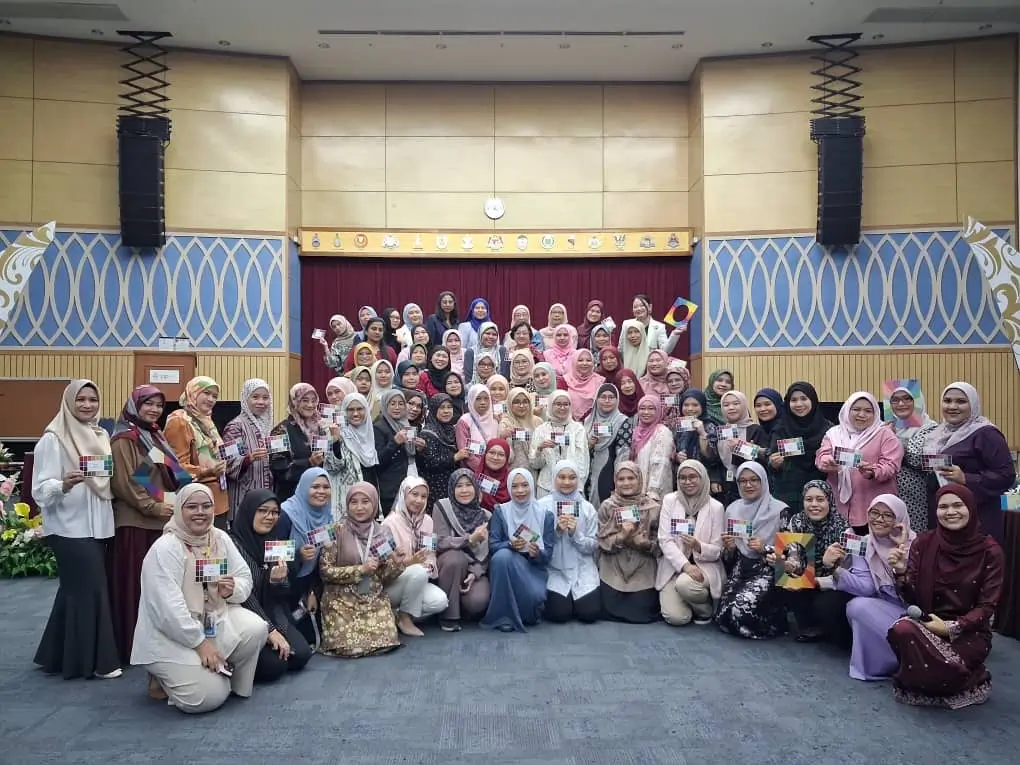
When someone completes a session with you, what do you hope they carry into their next shopping trip, workday, or important occasion?
More than anything, I hope they leave with clarity.
I want them to understand what works for them and why. I want them to feel confident making decisions without constantly second-guessing themselves.
Whether they’re shopping for a new outfit, preparing for an important meeting or attending a special occasion, I hope they approach it with a sense of confidence rather than anxiety.
Getting dressed should not feel overwhelming.
When people understand their colours, their style, their proportions and their lifestyle needs, they gain something far more valuable than a better wardrobe.
They gain confidence in themselves.
Sometimes clients come to me because they want to dress better. Sometimes they’re simply trying to feel like themselves again after life has changed. If they leave feeling more confident, more certain of who they are, and more comfortable stepping into whatever comes next, then I’ve done my job.