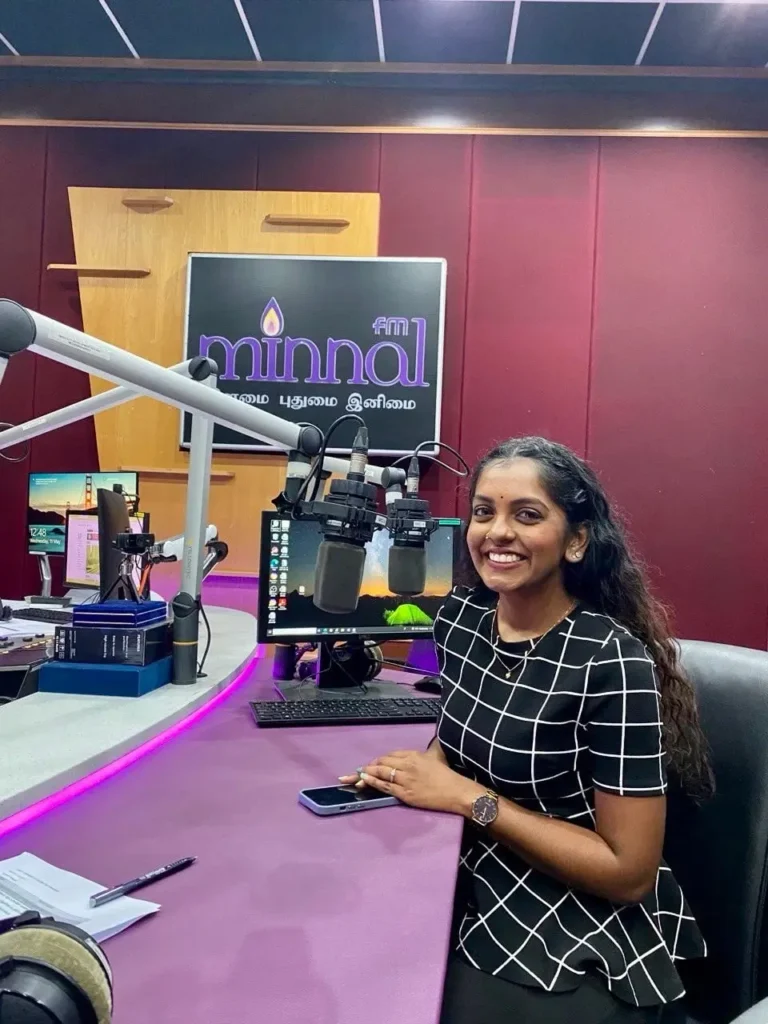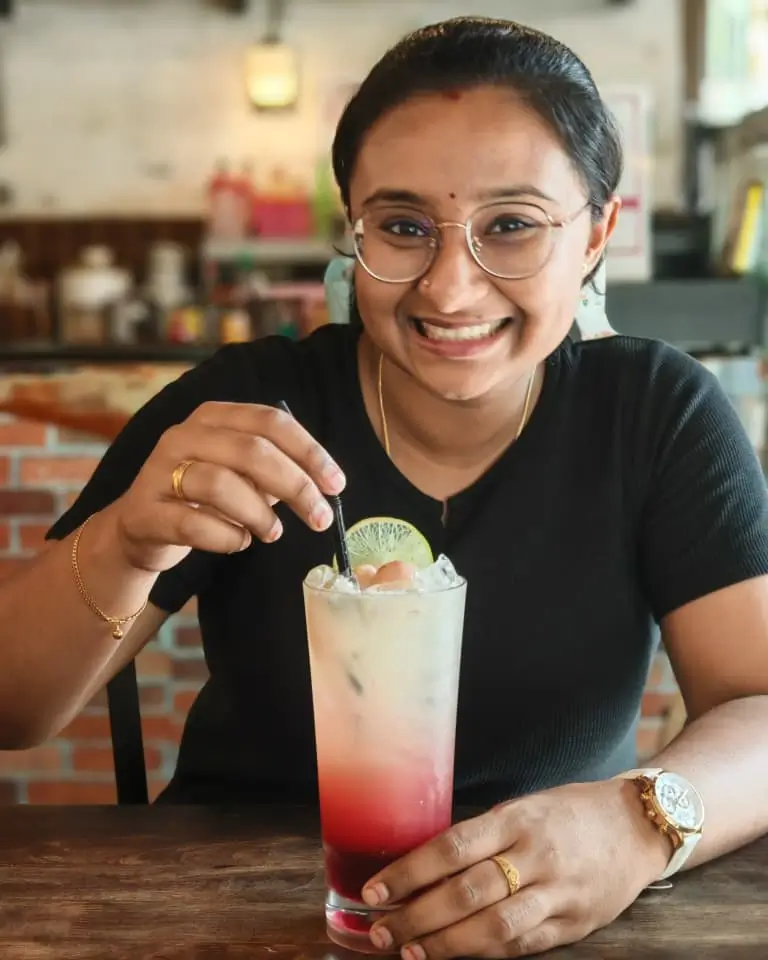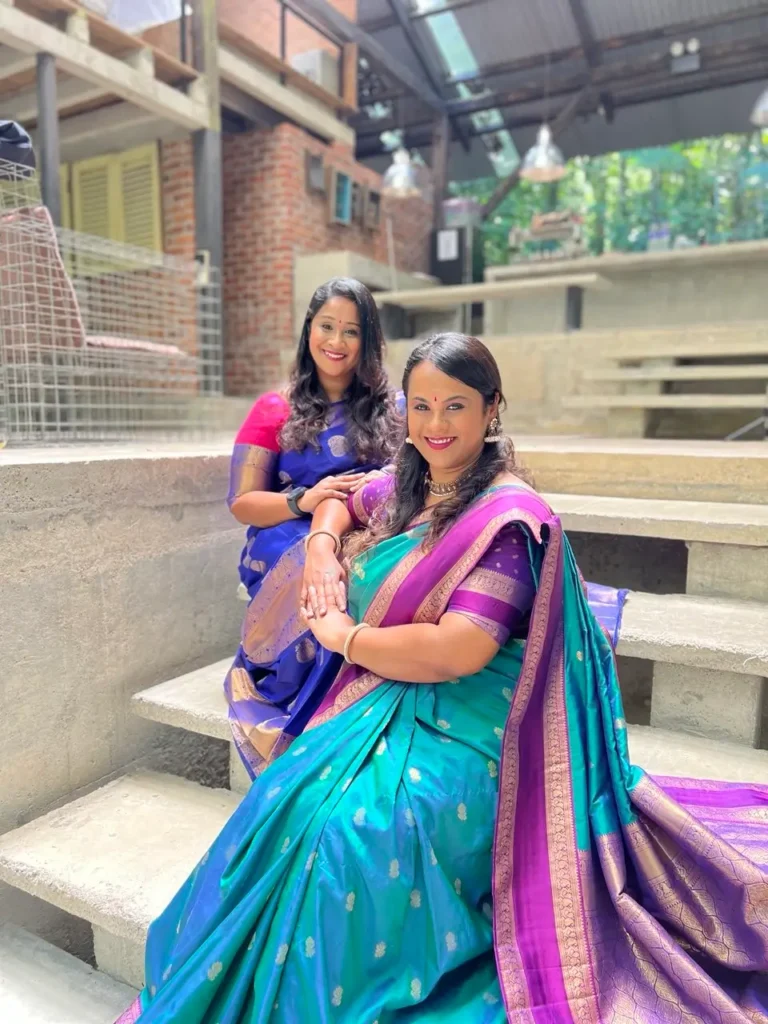
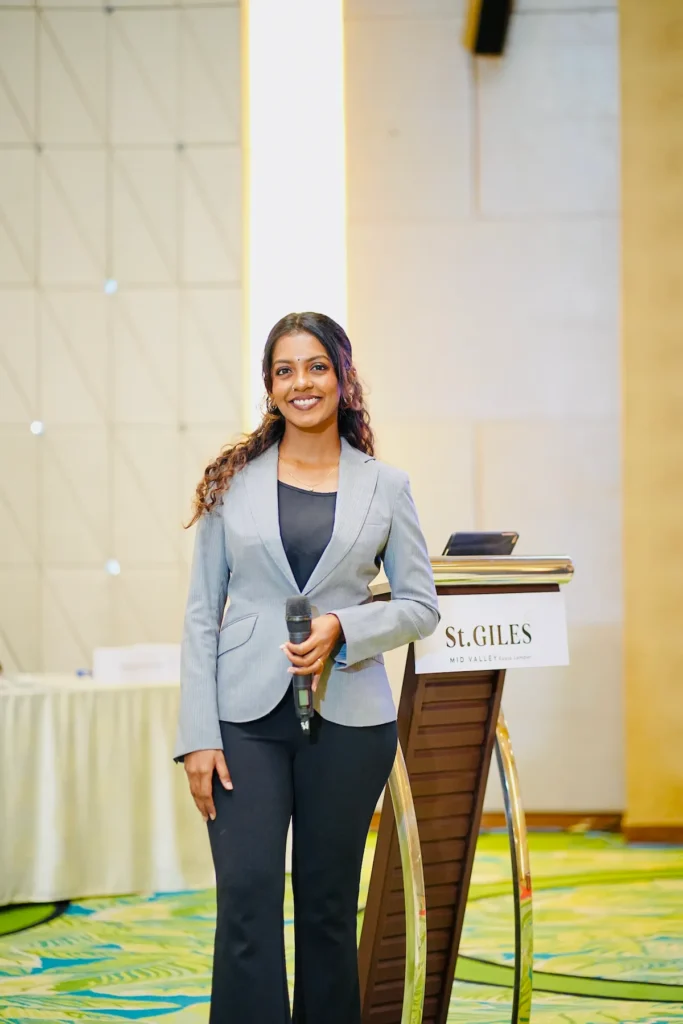
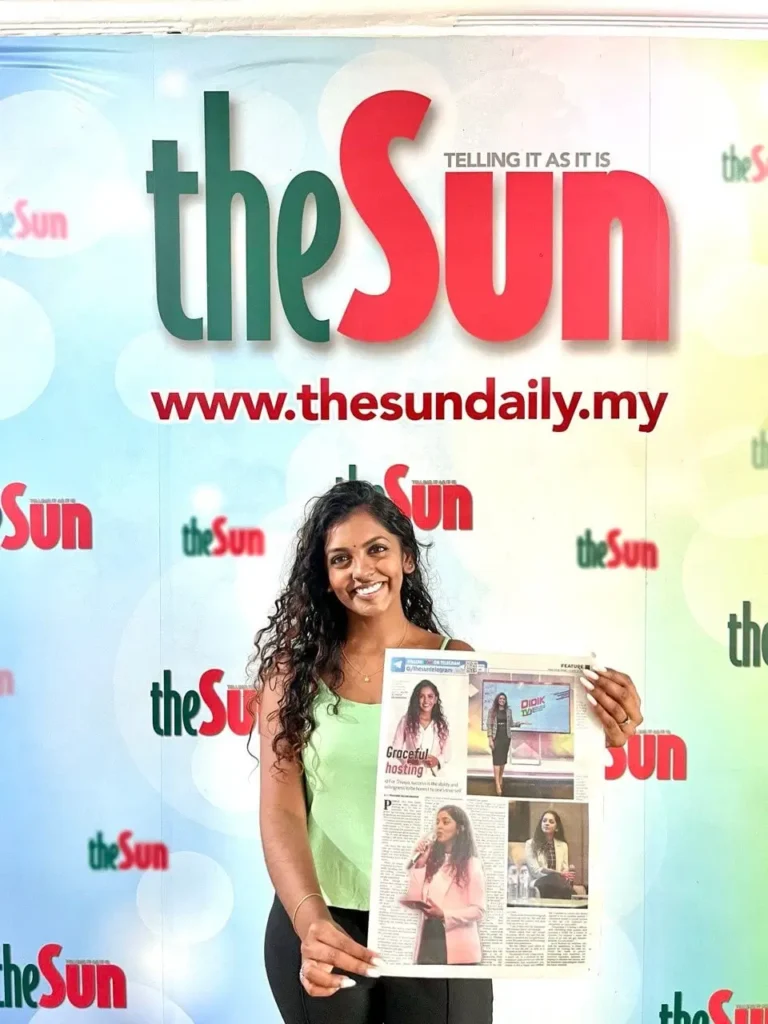
Today, Thiviya is known as a host, moderator, conference producer and communication trainer, leading conversations across industries and helping organisations create meaningful experiences through events. What began as a love for communication eventually evolved into a career built around connecting people, ideas and opportunities.
Over the years, Thiviya’s work has expanded far beyond hosting. While many know her as the person on stage, she now spends just as much time behind the scenes managing conferences, shaping programmes, coordinating speakers and ensuring every moving part comes together seamlessly. The transition has allowed her to grow from someone facilitating conversations to someone helping build the spaces where those conversations happen. Along the way, she has learned that confidence is not the absence of doubt but the result of preparation, consistency and being willing to step forward before feeling completely ready.
As a young woman building her own name in the corporate events industry, Thiviya understands what it feels like to question whether you belong in certain rooms. That experience now fuels her passion for helping others, especially women, find and trust their own voice.
Through her work, she hopes to create more opportunities for meaningful dialogue while showing other women that there is room for them too. In this Herstory feature, Thiviya shares her journey from aspiring communicator to conference leader, the lessons she’s learned behind the scenes, and why waiting for permission was never part of the plan.
You seem like the kind of person who brings energy into every room you walk into. Was hosting always something you naturally gravitated towards, or did life somehow lead you to the mic?
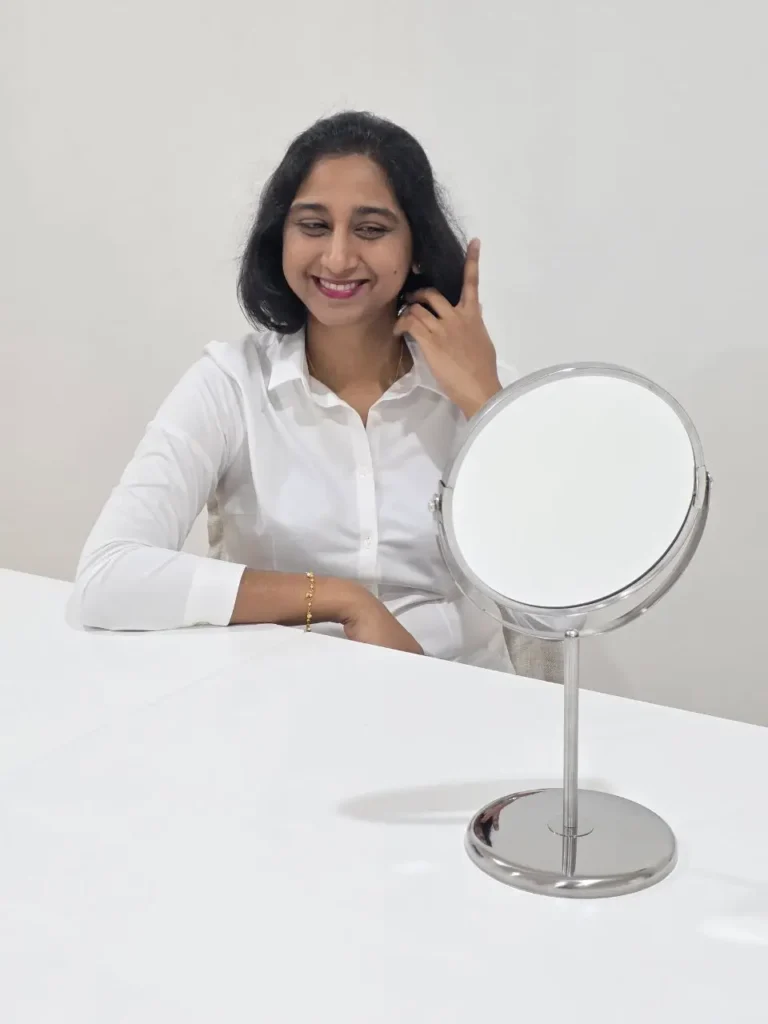
Honestly, both. I was always the person who wanted to talk, from primary to secondary school, at college events, anywhere there was a crowd. When I was young, I used to speak to myself in front of the mirror. But I didn’t have a name for it then. The mic found me when I started putting myself out there.
My first real hosting job felt like coming home. I wasn’t performing. I was just being myself ; loudly, intentionally, with purpose. Life confirmed what I already suspected: I was made for this.
When people see you on stage today, they see confidence, composure and control. What do you wish they understood about the journey it took to become that version of yourself?
That composure is not something that arrived overnight. Behind every smooth segment is hours of preparation, research, and a lot of moments where I questioned whether I was good enough.
What people see on stage is the result of showing up even when I wasn’t sure. Even when I was nervous. Even when I felt like an outsider in the room. Confidence is just consistency in motion. You do it enough times and eventually your body catches up to what your mind already decided.
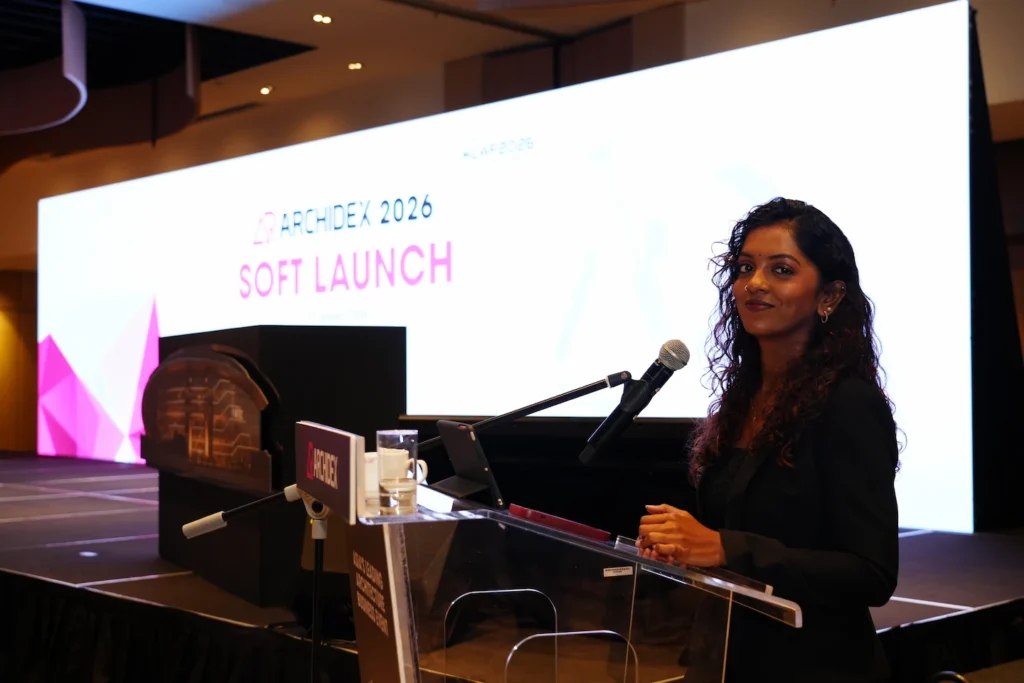
You started with hosting and emceeing, but your work has grown into moderating, conference hosting and even producing conferences. How would you describe the woman you are becoming in this season of your life?
I’d say I’m becoming someone who is no longer just the face of the room. I’m someone who helps build the room.
Being the conference lead has shown me a version of myself I didn’t fully anticipate: a strategist, a relationship builder, someone who shapes agendas and moves things forward behind the scenes too. I think I’m becoming someone who leads with both presence and substance, and I’m still very much in the middle of that becoming.
Looking back at where you started, did you always know you wanted to build a career with your voice, or did this path slowly reveal itself to you?
It revealed itself, honestly. I studied broadcasting because I loved communicating and storytelling, but I didn’t have a grand plan.
I started hosting small events, then bigger ones. I took on video work, creative direction and production. Each experience added a new layer. What I know now is that the thread running through everything has always been communication; the desire to connect, to convey, to move people. I followed that thread even when the bigger picture wasn’t clear yet.
What was the first moment that made you realise, “I’m actually good at this, and I want to take this seriously”?
There was an event early in my career where the programme ran off track. A speaker overran, the schedule was in chaos, and I had to hold the room, improvise, and keep the energy up without anyone noticing the backstage panic.
I did it. Afterwards, the organiser came to me and said, “You made this look effortless.”
That was the moment. I knew it wasn’t effortless, but I had just learned how to carry the weight of it gracefully. That’s when I realised this was something worth investing in seriously.
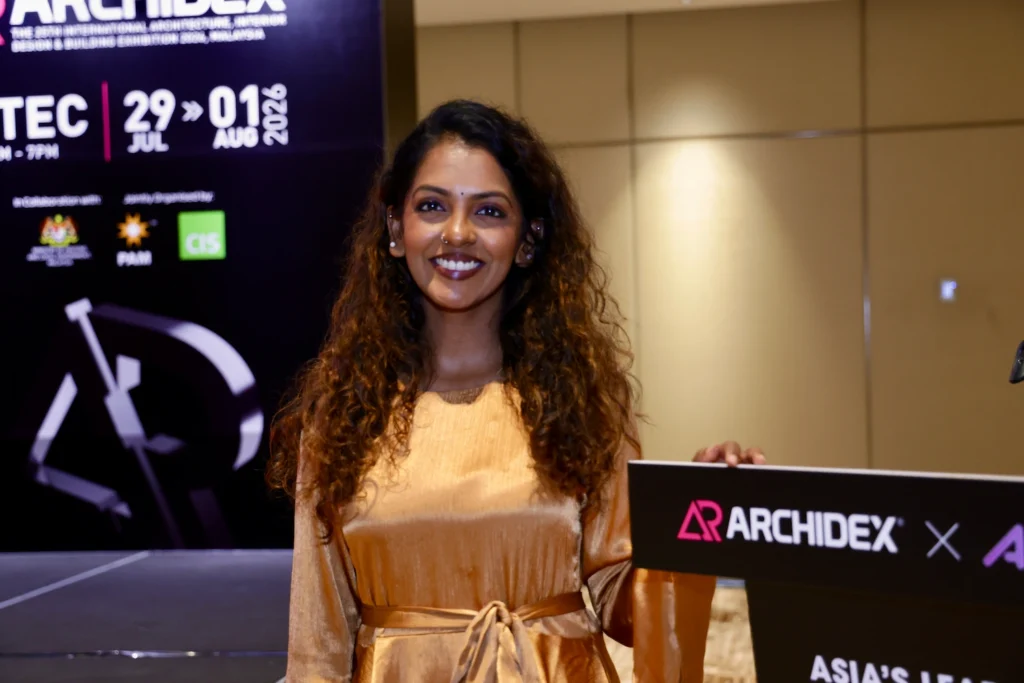
Many young women are taught to wait for permission before taking up space. Was there a point in your journey where you had to stop waiting and choose yourself?
Yes, and it was uncomfortable.
I remember submitting profiles, sending proposals, waiting for callbacks that were slow to come. At some point I realised nobody was going to hand me a stage and tell me I deserved it. I had to create the opportunity myself.
I had to say yes before I felt ready. I had to pitch myself with confidence I was still building. The biggest shift came when I stopped tying my value to someone else’s validation.
LinkedIn played a huge role in that journey. It’s funny because people often ask how I built such a strong following there. The truth is I started building my presence while I was still in college. Today, most of my emceeing opportunities come through LinkedIn.
Breaking into the corporate events space wasn’t easy, but it became my playground. It’s still where I feel most at home.
Moving from hosting an event to producing and managing conferences is a big shift. What has that transition taught you about leadership, responsibility and trusting yourself?
It’s taught me that leadership is often about creating the conditions for other people to succeed.
When I’m managing speakers, coordinating teams, aligning content objectives and overseeing an entire programme, the focus isn’t on me anymore. The success of the event depends on dozens of moving parts coming together at the right time.
It’s a responsibility I don’t take lightly. At the same time, it’s helped me trust myself more. There isn’t always time to second-guess decisions when you’re managing a live event. You learn to make the best decision with the information you have, stay calm under pressure, and keep moving forward.
As a host, you are often seen on stage. As a producer, much of the work happens behind the scenes. Which side of the work has shaped you the most, and why?
Definitely the work behind the scenes.
Hosting sharpened my communication skills, but producing taught me how to think strategically, solve problems and manage complexity.
When you’re behind the scenes, you’re thinking about every possible scenario. What happens if a speaker cancels? What if the programme runs late? What if the audience isn’t engaging with the content? You’re constantly planning, adjusting and anticipating.
That experience has made me more resourceful and much more grounded. It has also made me a better host because I now understand everything that goes into creating a successful event.
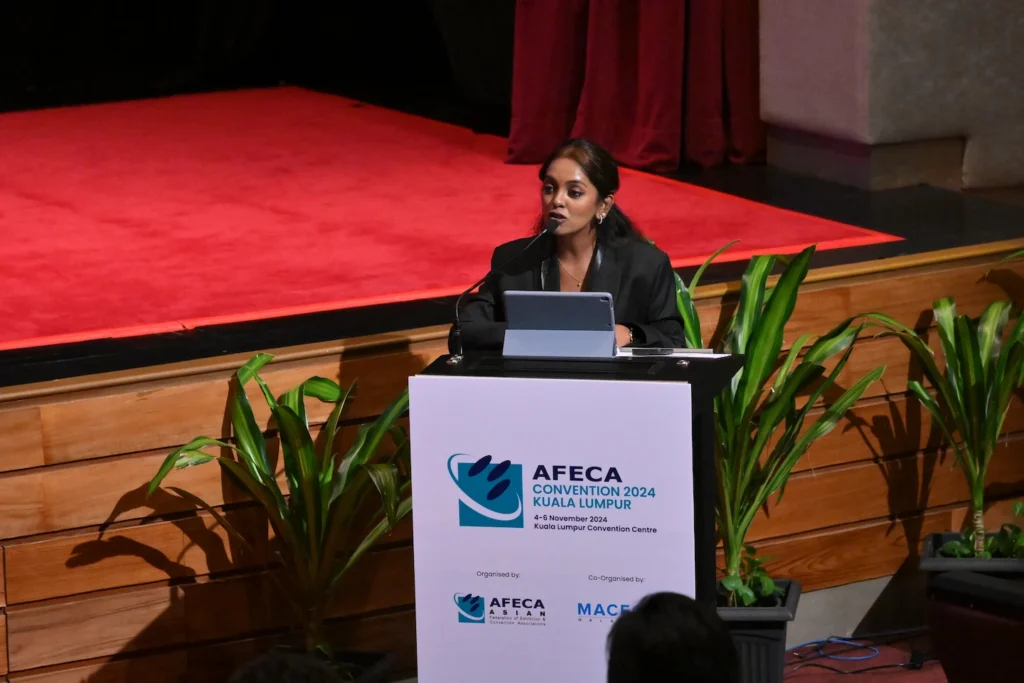
What do people often underestimate about the work of a professional host, moderator or conference producer?
The amount of preparation involved.
People often assume hosting is all about personality or confidence, but preparation is what makes everything work. Before every event, I spend time researching the speakers, the industry, the audience and the conversations that matter within that space.
When you’re moderating a panel, you need to understand the topic well enough to guide the discussion, ask meaningful questions and keep the conversation moving naturally.
The audience doesn’t see that preparation, and that’s completely fine. In many ways, that’s the point.
You are often in rooms with business leaders, experts and decision-makers. How do you prepare yourself to hold space, ask the right questions and guide conversations with confidence?
I research extensively.
I want to understand the topic, the people involved and the wider context before I step on stage. I’ll read articles, company information, industry reports and anything else that helps me understand the conversation better.
At the same time, I’ve learned that my role isn’t to be the expert in the room.
My role is to help experts communicate their ideas clearly and create a discussion that is engaging and valuable for the audience. Once I understood that, I stopped putting unnecessary pressure on myself.
Has there ever been a moment on stage where you had to rely fully on instinct, and what did that experience teach you?
More times than I can count.
I remember one award ceremony where the next speaker was delayed and still on the way to the venue. I suddenly had about fifteen minutes to fill with no warning.
There wasn’t time to panic. I had to keep the audience engaged, maintain the energy in the room and make sure the programme continued smoothly.
Experiences like that taught me that what people call instinct is often the result of preparation and experience. You draw on everything you’ve learned, trust yourself and keep moving.
Those moments remind me why preparation matters so much.
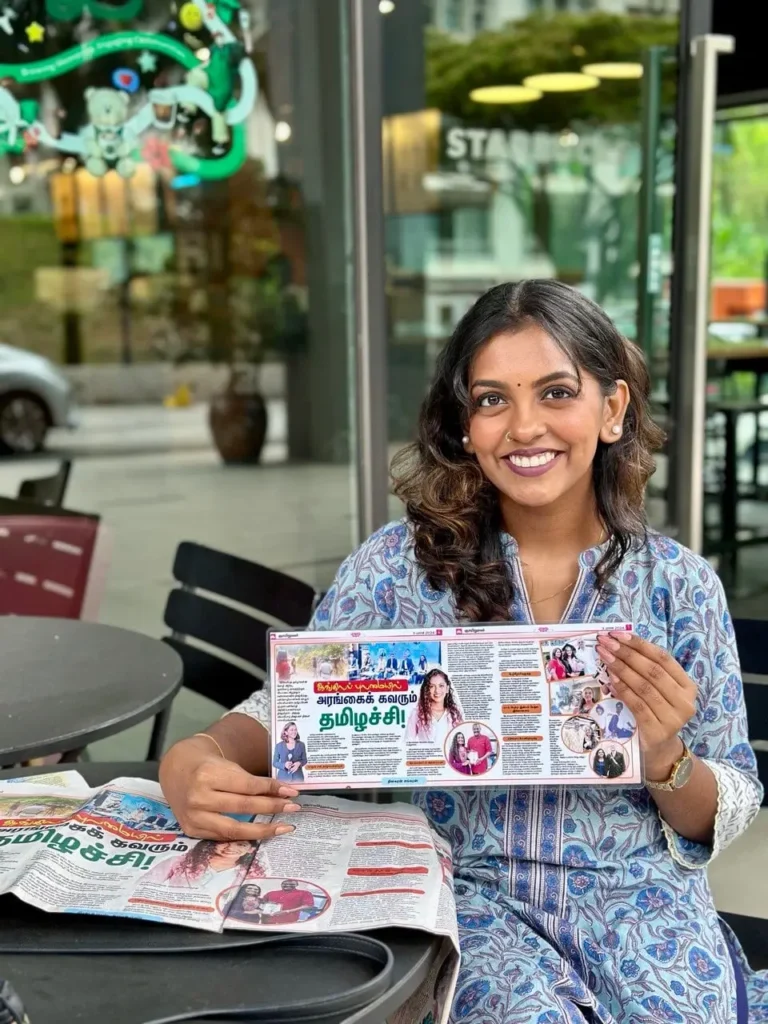
Your work is built around conversations. What have conversations taught you about people, ambition and the different ways success can look?
They’ve taught me that success is far more personal than most people realise.
Over the years, I’ve spoken to CEOs, founders, entrepreneurs and professionals from all kinds of industries. From the outside, many of them look incredibly successful. But once you hear their stories, you realise every journey comes with its own challenges, doubts and sacrifices.
Those conversations have made me more curious about people and less interested in titles. They’ve also reminded me that there is no single definition of success.
Everyone is building something different, and that’s okay.
As an independent young woman building your own name, what has been the hardest part of choosing a path that is not always predictable?
The uncertainty.
When you’re building something independently, there are moments when you don’t know where the next opportunity is coming from or whether the decisions you’re making today will pay off in the future.
There were periods where I had to trust the process without seeing immediate results. That’s probably the hardest part because not everyone around you understands what you’re trying to build.
You learn to keep going even when the path isn’t fully visible. That takes a lot of faith, resilience and patience.
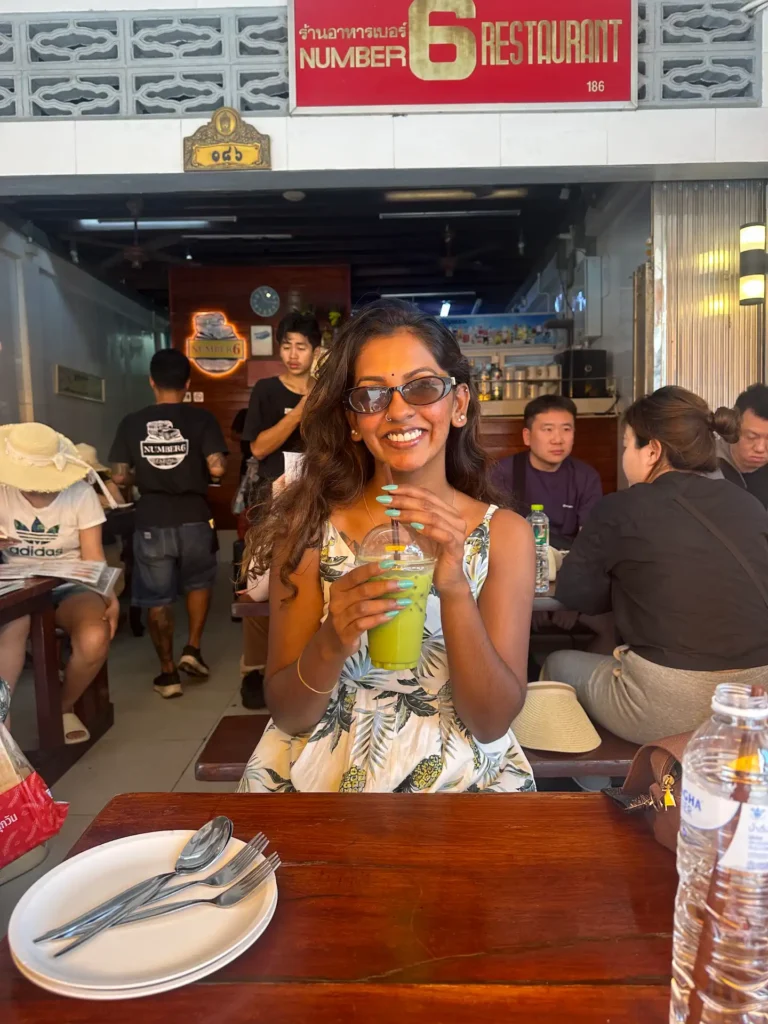
What has helped you stay fearless, especially when opportunities grew bigger and expectations became higher?
Remembering why I started.
Whenever I find myself overthinking or questioning whether I belong in a certain room, I come back to my purpose. I genuinely enjoy creating connections, facilitating conversations and helping people engage with ideas in meaningful ways.
When I focus on the work instead of the pressure, everything becomes clearer.
And honestly, experience helps too. Every event, every challenge and every opportunity becomes proof that you’re capable of more than you sometimes give yourself credit for.
In a society where women are often expected to be careful, agreeable or “not too much”, how have you learned to own your presence without shrinking yourself?
That lesson took time.
There were moments earlier in my career when I softened my energy or held back parts of myself because I thought it would make other people more comfortable.
Eventually, I realised that the qualities I was trying to tone down were often the same qualities that made me effective in my work.
The energy I bring into a room, the way I connect with people, the confidence I project on stage; those are all part of my craft.
Today, I’m much more comfortable being myself. I don’t feel the need to apologise for taking up space or bringing my full personality into the room.
What does independence mean to you today, not just financially or professionally, but as a woman making choices for herself?
Independence means trusting my own judgement.
It’s being able to make decisions that align with who I am and where I want to go, even when those decisions don’t make sense to everyone else.
Of course, financial and professional independence matter. They create freedom and options.
But the independence I’m most grateful for is internal. It’s knowing myself well enough to make choices without constantly looking for approval or reassurance from other people.
Was there a version of Thiviya who used to doubt whether she belonged in certain rooms? What would you tell her now?
Absolutely.
There were rooms where I wondered if I was too young, too inexperienced or too different from everyone else around me.
As an Indian woman in certain corporate spaces, there were moments when I felt very aware of being the only person who looked like me in the room.
If I could speak to that version of myself today, I’d tell her that she doesn’t need to spend so much energy proving she belongs.
She belongs because she’s there.
Sometimes we place enormous pressure on ourselves to earn our seat at the table when, in reality, we’ve already earned it by showing up.
Through Tee Talks and your work in communication, you also help others build confidence in speaking. Why is it important for people, especially women, to learn how to use their voice well?
Because, communication creates opportunities.
I’ve met so many brilliant women who have incredible ideas but hesitate to share them. They hold back in meetings, doubt themselves before speaking or assume someone else is better positioned to contribute.
The ability to communicate clearly and confidently changes that.
Public speaking isn’t only about presenting on stage. It’s about advocating for yourself, sharing your ideas and participating in conversations that matter.
Through Tee Talks and my workshops, I want people to understand that their voice has value. Once they believe that, everything else becomes easier.
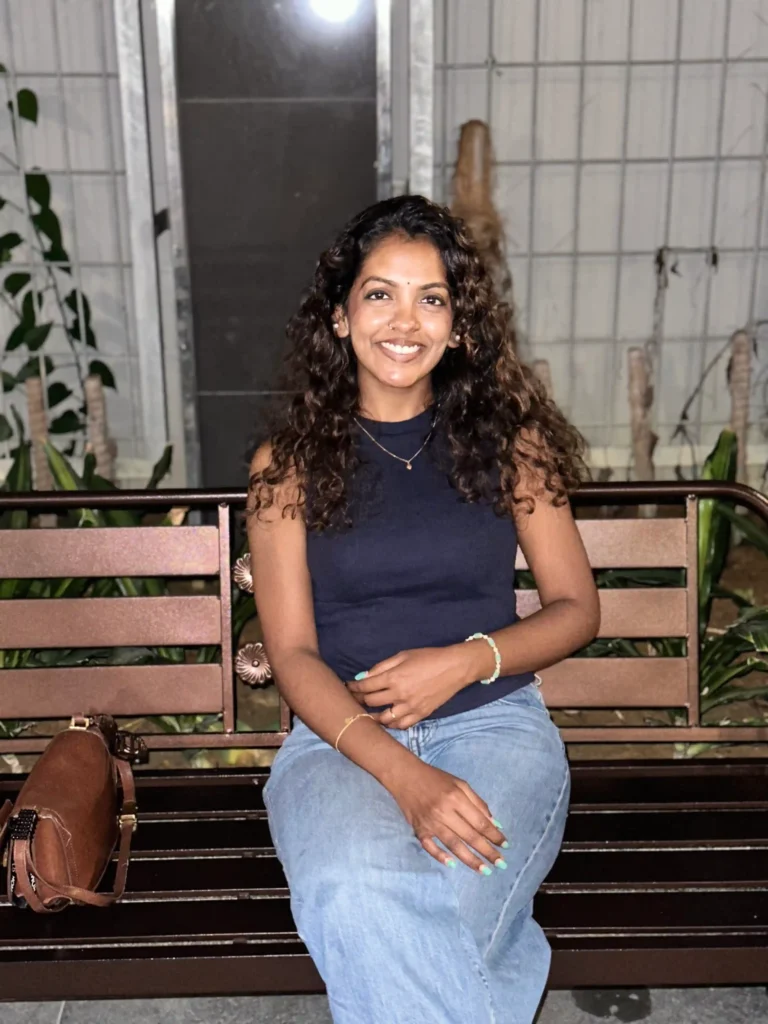
What kind of impact do you hope to leave behind through the stages you host, the conversations you moderate and the events you help bring to life?
I hope people leave feeling like they gained something meaningful from the experience.
Whether it’s a new idea, a new perspective or a new connection, I want the conversations I facilitate to create value beyond the event itself.
I also hope young women see what’s possible.
Representation matters. When someone sees a person who looks like them standing on a stage, leading a conversation or building a successful career, it expands their sense of what’s available to them.
If my journey helps someone else feel a little more confident about pursuing their own, that would mean a lot to me.
For young women who are still figuring out what they want, but are afraid of being judged for wanting more, what would you want them to know?
Wanting more isn’t something you need to apologise for.
It’s okay to want a career that excites you. It’s okay to want growth, visibility, opportunities and experiences that challenge you.
Most of the limitations we place on ourselves come from worrying about what other people might think.
The truth is, people will always have opinions.
What matters is whether you’re building a life that feels honest to you.
You don’t need to have everything figured out today. You just need to be willing to take the next step, trust yourself and keep moving forward.
The rest unfolds along the way.